Join my project

In partial fulfilment of my MFA in Dance Science Extended Project I need your help. You may do one OR both of the following

  1. Share YOUR voice in the questionnaire (any and all ballroom/standard coaches, adjudicators and female dancers).

  2. Verify your eligibility to take part in the 6-week intervention. (London, UK preferred).

Research and Writing

“Exploring mechanisms associated with extension neck injury in amateur female ballroom dancers”

by Landon Anderson MFA Dance Science Candidate

Supervisor: James Brouner PhD

2026

Overview:

Using a mixed methods approach the project explores mechanisms associated with extension neck injury (ENI) using two studies.

Study 1: Qualitative understanding of neck injury in female ballroom dancers. What is the embodied experience associated with neck injury risk in female ballroom dancers?

Study 2: Examining the impact of two training intervention plans to minimise risk of neck injury in female ballroom dancers. Which of the two (currently non-disclosed) training plans offers better support for neck injury in female ballroom dancers?
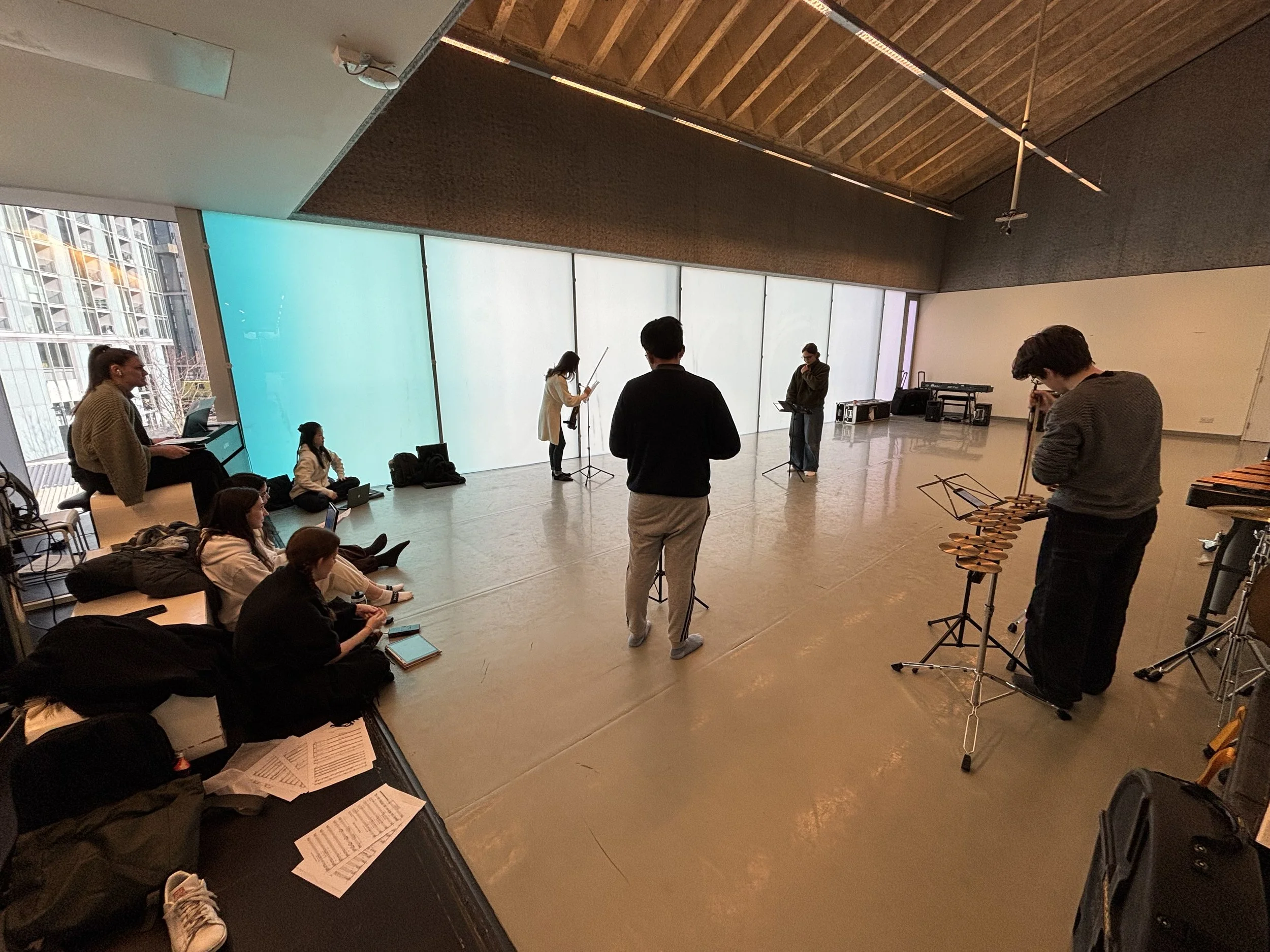
The current research project is underway. Further details and final publication will be made in due course upon completion in the fall/winter of 2026. For the time being, the research proposal may be shared with hiring employers or institutions with vested interest on a need to know basis by contacting me directly.

(Last updated: 14 Jan 2026)

“Learning from hunter-gatherers in the Amazon how to avoid cardiovascular disease”

by Landon Anderson

For English 319 - Technical Writing course in partial fulfilment of the English requirement of my undergraduate degree at BYU

Instructor: Scott “Scoot” Hatch MA

2019

Interconnectedness of the brain, stomach and heart

Abstract:

The contraction of cardiovascular disease (CVD, heart disease, coronary heart disease or CHD) has long been related to poor diet, low amount of exercise, tobacco and alcohol usage, and traumatic stress. As such it is clear that a healthy diet, adequate exercise, well managed stress, and no tobacco or alcohol usage have proven to be the most important preventative measures to CVD. Many of these concerns and problems concerning cardiovascular health/potential risk factors, have to do with geographic location, socioeconomic class, and rural vs. acculturated populations. After researching connections between CVD and population type, the research shows that there is a direct correlation between CVD and a community that increasingly accepts a western lifestyle. In this review I will evaluate findings from around the world and compare them to the rural hunter-gatherer populations. The current population with the greatest reported cardiovascular health (CVH) is a rural hunter-gatherer community known as the Tsimane people of the Amazon. Living a lifestyle similar to that of a hunter-gatherer leads to greatest cardiovascular health (CVH). Future research should focus on implementation of hunter-gatherer lifestyle in a continually progressing, industrialized community.